
The Signs of a Good Metal Roofing Contractor
- chrisdumm
- May 8
- 7 min read
It’s Not Apples to Apples: Why the Lowest Bid Can Cost You the Most
When you’re investing in a metal roof, you’re not just choosing a product — you’re choosing the people who design, fabricate, and install a system meant to protect your home for decades. And yet, many homeowners compare metal roofers as if they are all the same. They’re not.
Metal roofing is one of the most specialized trades in construction, and the difference between a high-quality metal roof installer and a low-bid installer can mean the difference between a roof that lasts 50 plus years… and one that fails in five.
Comparing metal roofers as if they are simple “apples to apples” doesn’t work. The materials, craftsmanship, training, warranties, and long-term performance vary dramatically from contractor to contractor. And choosing the lowest cost option often comes with hidden risks and costs that don’t show up until it is too late.
At Custom Copper and Sheet Metal Roofing, we believe it is extremely important that our clients understand what truly matters when finding a good metal roofing contractor you can trust.
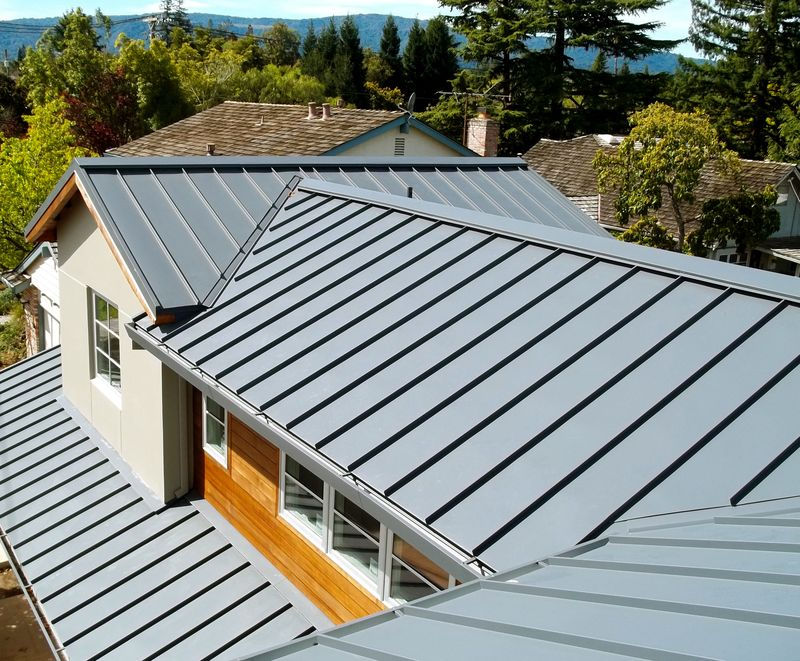
Why Metal Roofing Bids Are Not Apples-to-Apples
In the metal roofing world, when we prepare an estimate or review plans for a project, we know we’re competing against several other bidders. We also understand what the market will bear — especially in the San Francisco Bay Area — for a high-end residential metal roof. There’s a general pricing range that reflects what it truly costs to deliver a quality system.
For us, that standard means 24-gauge standing seam metal with a Kynar 500 paint system, sourced from top-tier fabricators like Taylor Metal Products. It also means building to modern California expectations: a Class A fire-rated assembly, which includes fire-rated underlayments, stainless steel gutter protection, and proper ventilation and fire-blocking details.
Even in jurisdictions where these requirements aren’t strictly enforced yet, they are quickly becoming the norm due to wildfire risk and insurance pressures. The best long-term value for a homeowner is a roof that performs — both in durability and in protecting their insurability.
The Hidden Costs Behind “Too Good to Be True” Pricing
From a homeowner’s perspective, multiple bids can look very similar. Often, the numbers are within 10–20% of each other. But occasionally, a significantly lower bid comes in—and it’s tempting.
A low bid usually means that something is being cut — and it’s rarely for the benefit of the client. Usually, it is reflected in the quality of the materials being used or the skills of the crew. They might use thinner 26-gauge steel instead of 24-gauge, or downgrade from Kynar to SMP paint. On paper, these systems can look similar — but they are not the same in performance or longevity. Common shortcuts include:
Thinner, cheaper metal panels
Lower-grade paint or coatings that fade or chalk
Cheap fasteners that rust or back out
Minimal underlayment or improper flashing
No warranty or warranty that’s impossible to claim
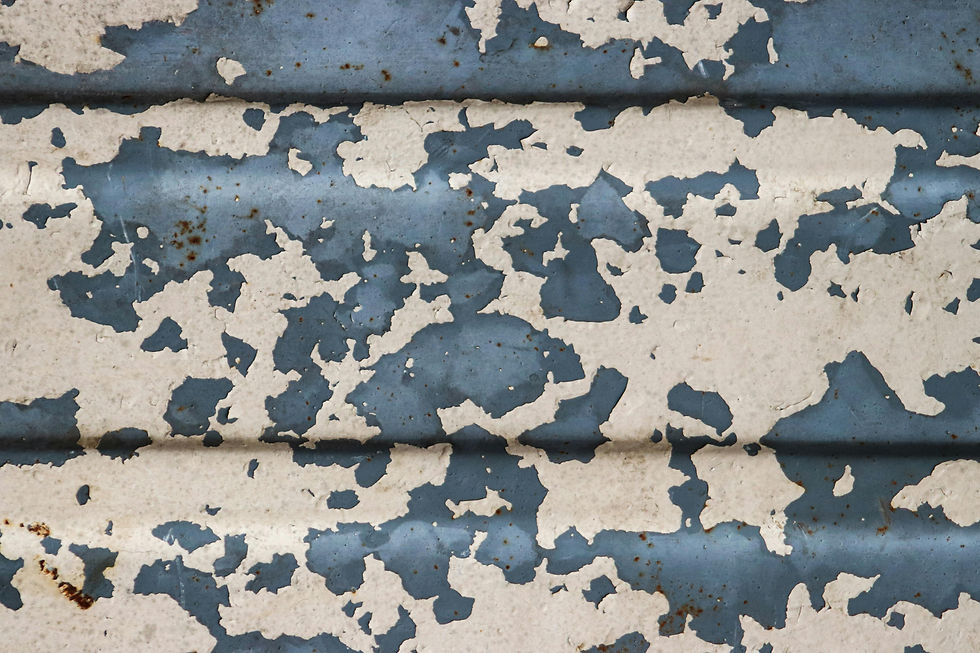
Metal roofing is unforgiving. One wrong cut, one misaligned panel, or one missing detail can impact the entire system. Cost-cutting installations can often lead to:
Leaks around penetrations and valleys
Oil canning or panel distortion
Premature rust or coating failure
Panels lifting or blowing off
Voided manufacturer warranties

While the savings may initially look good on paper, they can end up costing homeowners thousands down the road. If a contractor underbids the project to win the job, they may not be financially stable enough to stand behind their work long-term. And with a roof that’s supposed to last decades, that matters.
Common Red Flags
When choosing a metal roofing contractor, it is essential to look beyond the price tag, ask the right questions, and look out for obvious red flags like:
Lack of metal roofing experience
No proper licensing or insurance
Vague or incomplete estimates/ uses high-pressure sales tactics
No manufacturer certifications
Poor communication
Can’t answer questions completely about their processes
No clear project timeline
Low or unrealistically low pricing
Lack of warranty or poor warranty terms
No local references or reviews
No safety measures
Asking for very large up-front deposits before the job has even started
Has no physical address or online presence
Why System Choice Matters: Mechanically Seamed vs. Snaplock
Another major differentiator is the type of panel system used.
We install mechanically seamed standing seam panels—specifically systems like the MS-150. These panels are crimped together, locking the seams and concealing the fasteners while allowing the panels to expand and contract freely. This results in a stronger, longer-lasting system with better wind uplift ratings and superior long-term performance.
By contrast, many competitors use snaplock panels because they are faster and cheaper to install. While easier to install, they are not as robust. They are more prone to issues under stress, especially when integrating solar systems. When solar mounting clamps (like S-5! clamps) are installed on snaplock panels, they can deform or crush the seams. Mechanically seamed panels maintain their integrity under these conditions.
Beyond performance, mechanically seamed systems also offer a cleaner aesthetic and better protection against pests and debris intrusion.
The Signs of a Good Metal Roofing Contractor
They Specialize in Metal Roofing
Metal roofing requires specialized tools, training, and precision. A roofing contractor who “also does metal” is not the same as a contractor who specializes in metal roofing. The differences show up in the details and lifespan of your roof.
To stay specialized, we cover a large geographic area just to maintain a full backlog of metal work. Our installers are paid as specialists, and it takes years—often 4 years to become proficient, and another 4 to lead a crew. That level of expertise is what ensures a roof is watertight, properly ventilated, fire-compliant, and built to last decades.
Positive Customer Reviews and Testimonials
Checking customer reviews and testimonials is an early step a homeowner should take when looking for a metal roofing contractor. Reputable contractors will typically showcase their reviews across multiple platforms — including their website, Google Reviews, or Yelp. These testimonials offer valuable insight into real-world performance and how satisfied customers were with the final result.
Licensed, Insured, and Certified
A trusted roofing contractor should have the proper licenses and insurance. Licensing ensures the contractor meets state and local requirements, follows building codes, and has the skills needed to complete the job safely and correctly.
Insurance is just as critical. Contractors should carry general liability insurance and workers’ compensation to protect homeowners from financial responsibility if accidents, injuries, or property damage occur during a project.
Use of High-Quality Materials
A reputable metal roofing company is going to use materials that are built to last — thicker metal panels, protective coatings that resist fading and corrosion, corrosion-resistant fasteners, and durable underlayments that protect against heat and moisture. These choices directly affect how well your roof will stand up to weather, sun, and time.

Detailed, Transparent Estimates
Roofing contractors of any kind should provide written estimates and clear contracts before any work actually begins. These estimates and contracts should be itemized and easy for clients to understand, instead of vague lump-sum pricing, so you know exactly what you are paying for. This will protect you from any hidden fees, surprise changes, or low-bid contractors who cut corners behind the scenes.
Strong Warranties
Metal roofing contractors should stand behind their work with strong, clear warranties. Quality materials and installations should come with long-term protection, not vague promises. Look for contractors who offer manufacturer warranties as well as a workmanship warranty that guarantees the installation itself.
Transferable warranties are also very important. These ensure that the coverage stays with the home if it is sold — adding value for homeowners and signaling that the roofing contractor is confident in the longevity of their work.
Clear, Professional Communication
Communication should be clear from the first conversation. Reliable metal roofing contractors should explain your options in language you understand, answer questions directly, and keep you informed every step of the way. You should never feel rushed, confused, or left guessing about any steps of the process. This level of communication builds trust and helps homeowners feel confident throughout the entire project.
We’ve completed hundreds of metal roofs and refined a system over time that ensures every project is clearly defined before installation begins. We walk clients through detailed project information, custom drawings, and integration points so there are no surprises. That level of preparation directly translates into better outcomes.
Cheap Gets Expensive — Fast
At the end of the day, metal roofing is not a commodity—it’s a system that requires expertise, precision, and long-term thinking.
Choosing a contractor should come down to more than just price. It should include:
Do they specialize in metal roofing, or just dabble in it?
Do they have the experience to handle complex details and custom conditions?
Will they be around to stand behind their work?
Can they coordinate effectively with other trades and the design team?
A helpful comparison is this: why buy an Apple laptop when a cheaper alternative exists? Because the experience, performance, and longevity are fundamentally different.
The same is true with metal roofing.
If you look beyond the number and understand what’s actually being delivered, the differences become clear. And when it comes to protecting your home for the next 30–50 years, those differences matter.

Custom Copper and Sheet Metal Roofing
At Custom Copper and Sheet Metal Roofing, we’ve spent more than 18 years perfecting our craft and installing metal roofs on thousands of Bay Area homes. Our work is rooted in generations of craftsmanship and a deep respect for architectural metalwork, ensuring every installation is built with precision, pride, and longevity in mind.
Homeowners feel that difference. As one satisfied customer wrote, “I can’t say enough good things about the experience of working with CCSMR. Chris and Greg installed a stunning standing seam metal roof on our home, and the results are absolutely fantastic… Their expertise in both roofing and insulation was impressive, and they were able to deliver exactly what we needed… Chris and Greg were professional, friendly, and meticulous throughout the project. They kept us informed every step of the way and worked efficiently while maintaining the highest level of quality. The roof and insulation work have completely transformed our home, and we couldn’t be happier.” — Sunil R.
We use only the highest quality materials and offer warranty options — like 40-year transferable and 50-year non-transferable coverage — so homeowners can feel confident their metal roof will protect their home for generations. When you choose a contractor based on expertise, transparency, and true metalworking skills, you’re not just buying a roof. You’re buying peace of mind. When it comes to metal roofing, it’s never apples to apples, the right contractor makes all the difference — and we’re here to be that difference.


Comments